

The Art of Biryani
Welcome to the aromatic world of biryani, an iconic culinary masterpiece beloved across cultures and continents. Rather than being simply consumed as food, biryani provides an experience, Steeped in centuries of tradition but continually reinvented through regional twists, family secrets, personal preferences or personal experiences;
In this article we’ll delve deep into its art by looking into its proteins such as mutton, chicken or beef that shape its taste, texture or richness as well as deep dive into its masalas that give this dish its unforgettable punch.
2. Biryani Masalas and Perfection
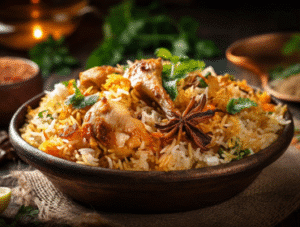
Biryani dishes rely on an expert blend of spices and techniques that creates unforgettable flavor profiles. Masalas do more than add heat; they add depth, aroma, and soul into every delicious bite of biryani served up!
- Biryani’s characters and deep luxury come to the front from delicate interplay to strong meddling with spice blends.
- The making of precious biryani usually starts off with warm notes of cumin and coriander which serve as a base for many masala blends in order to counterpoint the rich flavors coming from meat and rice dishes.
- Warmer and fragrant, cinnamon, cardamom, and cloves provide an immortal background to biryani.
- Nutmeg and mace are used rather sparingly, yet create a distinct aroma with a mildly nutty flavor, which greatly complements any red or white meat dish.
- Saffron is the very elixir that imparts the golden hue and royal aroma characteristic of biryani, and is, in fact, mostly saved for major occasions.
- Layering masalas between parboiled rice and marinated meat allows flavorful aromas to infiltrate during final steam, elevating flavor on every level and elevating taste in every way.
- Spice blends vary significantly according to taste and tradition; while some prefer fiery kick, others opt for mild aromatic tones utilizing more herbs than heat.
- Homemade masalas provide precise control of ingredients, enabling cooks to customize salt levels, heat levels and fragrance according to taste preferences.
An extraordinary masala elevates every bite of biryani to something truly memorable, turning mundane ingredients into extraordinary experiences every time they take a bite!
3. Mutton Biryani: Not So Royal But Tasty

Mutton biryani is one of the most opulent and lascivious renditions of this fêted dish, known for its distinctive marriage of profound flavors and gentle meat.
- Bone-in cuts bring additional richness and depth to the biryani since the bone marrow of the meat releases juices that add more taste when it is dum cooked.
- The mutton is marinated for hours with yogurt, ginger, garlic, and spices and aromatic spices for tenderness.
- The mutton biryanis appeal lies in its very ceremonial flavor; often it is served in special gatherings because of its very luxurious preparation style.
- Dum-style cooking is often preferred when creating mutton biryani, where both meat and rice are combined and sealed before being slowly heated to produce fuller-flavor meals.
- Masala with strong flavors such as black cardamom, bay leaves and red chili are often employed when matching the robust flavors found in mutton dishes.
- Enjoy this dish alongside a cooling raita or yogurt-based chutney to help ease its spicy intensity.
- Slow cooking allows the meat to remain juicy while the rice soaks up all those wonderful flavor drippings for a truly aromatic dish! Each layer becomes even richer with fragrance.
Mutton biryani is not just food, it is an expression to show very traditional culinary techniques where patience and spice mastery come together perfectly in every bite.
4. Chicken Biryani: Quick, Versatile & Crowd-Pleaser
Chicken biryani is an easy and flavorful dinner solution perfect for beginners or everyday meals alike, thanks to its quicker preparation time and milder profile.
- Chicken cooks faster than its red counterparts, making it ideal for weeknight meals or unexpected gatherings without compromising flavor or presentation.
- Spices absorb quickly into chicken meat, so shorter marinating periods with yogurt, lemon juice, and simple spices still result in intensely delicious dishes.
- Boneless or cut up pieces make chicken biryani an appealing option to younger diners and group gatherings, providing easy delivery.
- Chicken pairs perfectly with subtler masalas that allow its subtle flavors – like mint, coriander and green chilies – to come forward.
- Ideal for creating creative fusion dishes, this recipe makes the ideal base to customize with unique variations such as those featuring tikka-flavored marinades or layers of grilled or fried cutlets on top.
- Chicken biryani offers plenty of opportunity for personalization with added touches such as crispy onions, toasted nuts, hard boiled eggs or fresh herbs to enhance both texture and taste.
- Red meat biryani requires more oil and ghee, making this lighter option without losing richness or aroma.
- Popular with younger generations, chicken biryani offers versatile flavor profiles from spicy and bold to subtle and tangy profiles.
Chicken biryani’s versatility demonstrates its transformative power: this one protein can deliver layers of complexity when coupled with specific masalas.
5. Beef Biryani: Rewarding, Colorful & Underrated
Beef biryani offers an intense, satisfying flavor profile. With hearty pieces complemented by robust spices, its heartiness creates an experience both cozy and flavorful.
- Beef requires either slow cooking or pressure cooking in order to reach tenderness, allowing it to absorb its flavors more deeply while staying juicy and succulent.
- Such fattier cuts of beef go very well with strong spices, say, cloves of garlic, and cinnamon and black pepper, to help tame that rich texture and balance it against the charger flavors.
- The thick muscle structure of beef works to impart a hearty meaty flavor giving an extra dimension of texture to biryani.
- The slowly melted fat imparts subtlety and richness to each grain, giving rice an aromatic undertone when each grain is suffused with savor and richness.
- Ground whole spices, onions fried in ghee are where it gets its strong flavors from.
- Comparative to its lamb counterpart, beef offers a different kind of chewy satisfaction that appeals to those who appreciate hearty meals.
- Beef biryani may not always take center stage, its hearty flavor makes it unforgettable for those who appreciate spice and substance in food.
Beef biryani is a pauper but an underrated gem among rice dishes in terms of bold flavors, generous portions, and sinfully good comfort; it definitely has to be tried! It cannot be underestimated!
6. Biryani Pairing Options: Raita, Salad & Drinks
Biryani’s bold flavors require cool and refreshing sides that complement its richness; pairings that not only elevate the overall meal.
- Boondi raita is an irresistibly creamy yet crunchy dessert dish perfect for cooling the palate after eating spicy foods such as curry.
- Mint yogurt sauce adds an invigorating, herby freshness that balances out the heavy texture of meat and rice dishes, offering an aromatic relief and light relief from heavy foods like steak or lamb chops.
- Kachumber salad features diced onions, cucumbers and tomatoes for an appealing combination that refreshes and stimulates taste buds.
- Lassi, both sweet and salty varieties, is an effective digestive aid and complements spicy food thanks to its creamy consistency and refreshing cold temperature.
- Mint lemonade adds refreshing citrusy brightness, cleansing your palate between bites while helping lighten meat-rich biryani dishes.
- Cold carbonated beverages like cola are an ideal complement to the warmth of spices, cleansing your mouth as you sip on each sip.
- Pickles or chutneys served alongside biryani can bring out certain flavor notes ranging from sour to spicy without overshadowing its main components.
- Combining textures and temperatures through side dishes creates a complete sensory experience, turning biryani into a delicious yet balanced meal.
With perfect combinations and flavors, biryani turns into more than just a main dish, it becomes an all-out feast that pleases every layer of our palates.
7. Biryani Cooking Techniques to Define Each Biryani Type
Meat texture plays an integral part in how well spices absorb to affect not just its taste but also how the dish appears and smells on a plate.
- Mutton biryani benefits greatly from dum pukht, in which sealed pots retain steam to seal in flavorful juices from bone-in meat while imparting them into the rice grains.
- Marinating mutton overnight with yogurt, garlic and spices guarantees it becomes tender and full of flavor once cooked.
- Chicken biryani can often be prepared in one pot using the kachi method; raw marinated chicken is combined with rice in layers for faster preparation.
- Chicken’s fast cooking time makes it ideal for quick high-heat or direct layering methods that seal in flavor without prolonged simmering.
- Beef biryani requires either pressure cooking or double-cooking, first boiling the ingredients separately before layering up masala and rice and steaming to complete its final stages of creation.
- Due to its dense texture, beef holds onto flavor better and produces powerful aromas when slowly cooked with oil, whole spices, and caramelized onions.
- Mutton gives the most profound combination of flavors because of its bone marrow content, while the chicken lends a light quality, and the beef adds a rich, smoky note of taste.
- The cooking methods tell tales through the morsels: of soft fall-off-the-bone mutton; of succulent chicken chunks or bountiful beef berries, each one narrating a unique story, because, directly, cooking techniques impact the final texture of biryani.
By understanding how cooking styles impact each type of biryani dish, biryani becomes a customizable experience shaped by time, texture and tradition.
8. Biryani Traditions and Serving Tips
Biryani is more than just food: Every aspect from serving it to eating it embodies heritage, hospitality and heartfelt tradition
- Large family feasts usually center on biryani as the centerpiece, representing generosity and togetherness, ideal for festive gatherings!
- At weddings or special events, biryani is typically served in large pots for guests’ pleasure, this shows abundance and generosity while delighting your guests!
- Hand-eating is an enduring tradition across cultures, connecting individuals more intimately to food through texture and shared moments.
- Serving biryani the proper way typically entails layering its ingredients visually so guests can easily take pleasure from every bite they take of this richly satisfying dish.
- Some cultures serve biryani on natural materials like banana leaves for maximum aroma and an eco-friendly, rustic experience.
- Serving biryani in clay pots not only retains heat efficiently, but also imparts an earthy fragrance which heightens its sensory appeal.
- Respectful care must be shown towards elders by giving them priority when ordering food; such a gesture embodies both gratitude and cultural norms.
Biryani etiquette reflects respect, warmth, and celebration; elevating an otherwise enjoyable meal into an enriching cultural expression.
9. Conclusion: Which One Wins the Showdown?
In the ultimate biryani showdown, there is no straight winner, only personal preferences influenced by mood, taste, and tradition. Be it the rich and strong flavor of mutton, the speedy comfort from chicken, or the fullness of taste one gets from beef, all have their inputs here. Instead of choosing one, let it be diverse and relish every version in its own way.
Celebrate the dish; it is biryani, a culture, a flavor, and moments enjoyed together. So go ahead, try them all, and let your taste buds decide.
Leave a Reply